
Creative psychotherapy
Art Therapy in North Lakes &
Online Australia-Wide
Creative Support for
Children, Teens & Adults
Art Therapy at The Psychology Hub is available for children, teenagers and adults from our North Lakes clinic, as well as online across Australia. Art Therapy is a form of psychotherapy that uses creative expression alongside a therapeutic relationship to support emotional wellbeing, self-understanding and personal growth.
You do not need to be artistic or “good at art” to benefit from Art Therapy. The focus is not on creating perfect artwork, but on exploring thoughts, feelings and experiences in a safe and supportive environment.
Art Therapy may also provide a helpful therapeutic option for neurodivergent children, teenagers and adults, including autistic people and people with ADHD. For some people, using creative and visual approaches alongside conversation can make it easier to explore emotions, experiences, identity, regulation and self-understanding.
- North Lakes clinic
- Online Australia-wide
- 60-minute sessions
- Private & NDIS enquiries welcome
Who Can Benefit
From Art Therapy?
Art Therapy may be helpful for people
experiencing:
- Anxiety, stress or overwhelm
- Emotional regulation difficulties
- Low self-esteem or confidence concerns
- Grief, loss or major life changes
- Trauma and adverse experiences
- Relationship or family challenges
- School-related difficulties
- Neurodivergence, including ADHD and Autism
- Difficulties expressing thoughts and feelings through words alone
Art Therapy can support children, adolescents and adults.
What Happens
During a Session?
Sessions are tailored to each person’s individual needs, strengths and interests.
Activities may include:
 Drawing and painting
 Collage and mixed media
 Clay and sculpture
 Storytelling and creative exploration
 Mindfulness and grounding activities
 Discussion and reflection
Some people talk a lot during sessions, while others communicate more through the creative process. There is no right or wrong way to participate.
Why Art
Therapy?
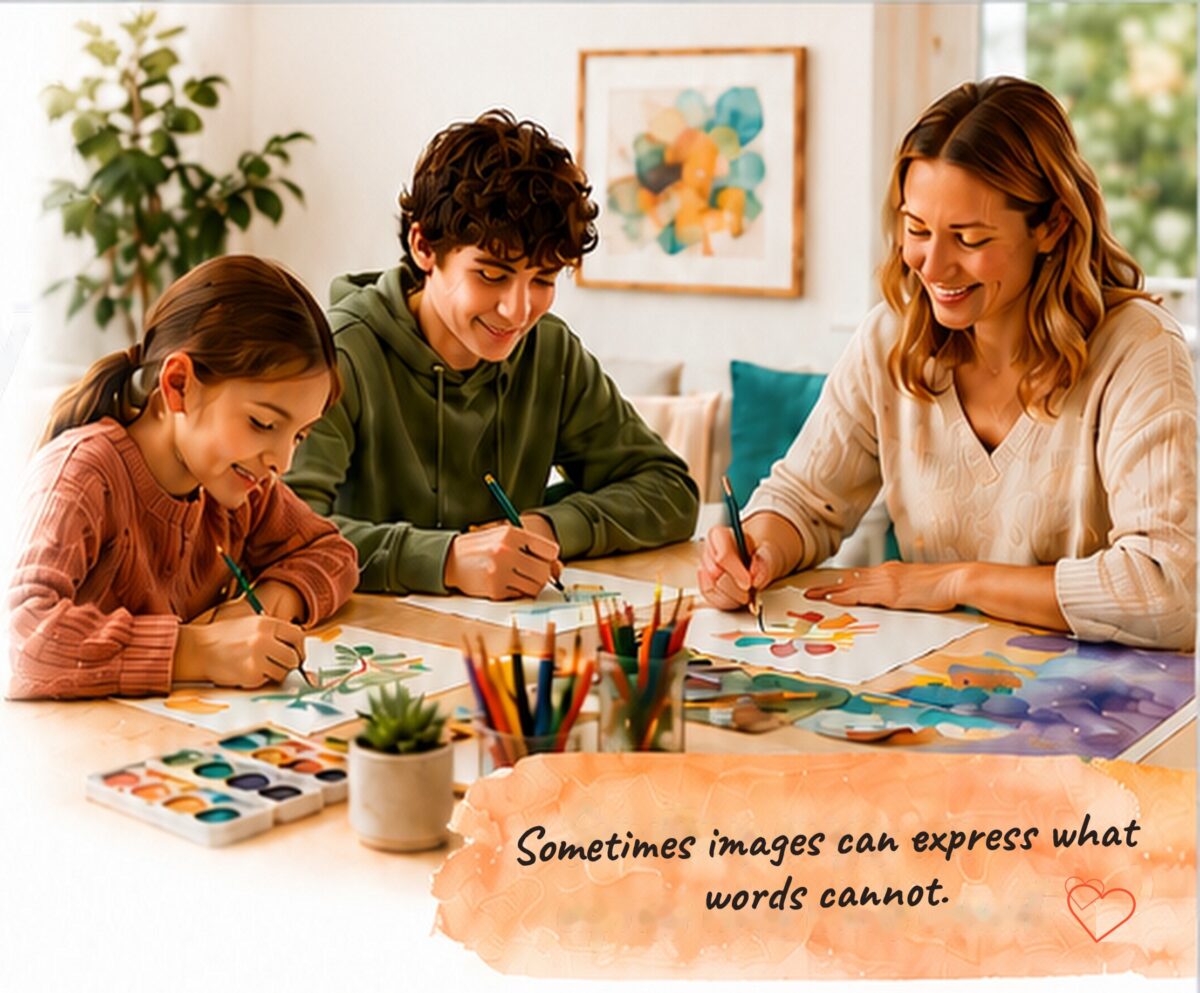
Sometimes images can express what words cannot.
Art Therapy offers a safe, creative and non-judgemental space to explore emotions, develop coping skills, build self-awareness and strengthen confidence.
At The Psychology Hub, our goal is to help clients feel understood, supported and empowered while working towards meaningful personal growth.
In-Person Art Therapy
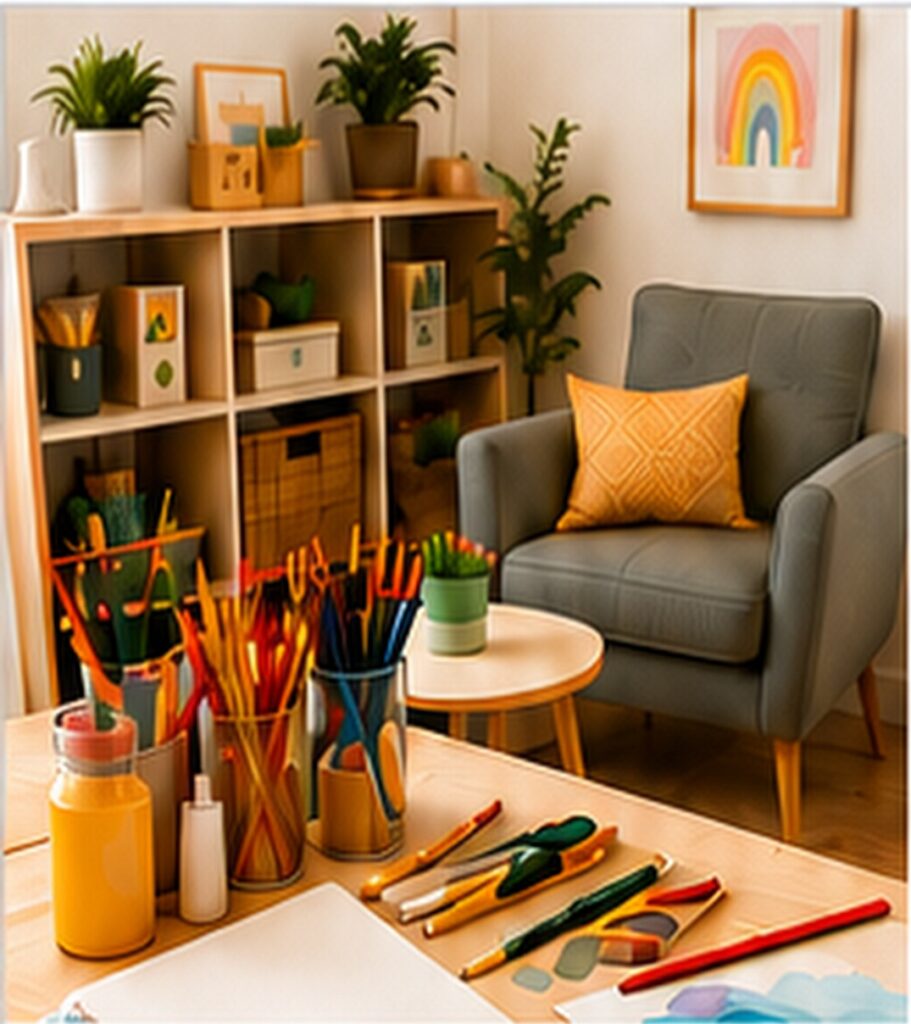
Art Therapy is available at our North Lakes clinic.
All art materials and supplies are provided, including drawing materials, paints, collage resources, clay and other creative tools.
Clients simply arrive and engage in the process—no preparation is required.
Online Art Therapy
Art Therapy can also be highly effective online. Research and clinical experience show that meaningful therapeutic connections can be developed through telehealth, while still providing opportunities for creative expression and emotional exploration.
Online sessions may involve:
- Simple materials available at home, such as paper, pencils, pens or markers
- Digital drawing applications, if preferred
- Creative exercises guided by the therapist
- Discussion and reflection around artwork created during the session
Many clients appreciate the comfort and convenience of participating from their own home environment.
Session Length
Standard Art Therapy sessions are 60 minutes.
Longer appointments can also be arranged when clinically appropriate or preferred, particularly for:
- NDIS participants
- Complex presentations
- Intensive therapeutic work
Funding Options
NDIS Art Therapy
Art Therapy may be funded by the NDIS when it is included in a participant’s plan as a therapy support, relates to their disability support needs and goals, and meets NDIS funding criteria.
Our Art Therapists work with NDIS participants on disability-related goals and support needs, including emotional regulation, communication, confidence, participation and neurodivergence-related needs. Funding depends on the participant’s plan and circumstances.
Private Clients
Private-paying clients are welcome without a referral.
Our art therapists
Meet Our Art Therapists
Our Art Therapists provide supportive, creative psychotherapy for children, teenagers and adults, with appointments available in person at North Lakes and online depending on the practitioner.

Jun (Doris) Pan
Art Therapist & Psychotherapist
Doris supports children (3+ years) and adults with a range of concerns, including anxiety, depression, grief and trauma.
Read more →

Isabella (Izzy) Lloyd
Registered ANZACATA Art Psychotherapist
Izzy is passionate about the connection between creativity, health, wellbeing and spirituality.
Read more →
Beyond Art: Understanding the Whole Person
Art Therapy is not only about creative expression. It can also support awareness of the connection between thoughts,
emotions, physical sensations and behaviour.
Body-Based Awareness
Art Therapy can include somatic (body-based) awareness because emotions and stress are often experienced physically as well as emotionally.
This may involve:
- Noticing body sensations
- Grounding exercises
- Breath awareness
- Gentle movement
- Sensory regulation
- Building awareness of safety, stress and overwhelm
Behaviour as Communication
At The Psychology Hub, behaviour is viewed as communication.
Behaviour often reflects unmet needs, stress, overwhelm, nervous system activation, sensory experiences, relationship patterns, attachment experiences, or emotional states that may be difficult to express through words alone.
Group programs
Explore Group Art Therapy
We are exploring future Group Art Therapy programs for children, teenagers, schools, workplaces and community organisations, with options in North Lakes, online and on site where suitable.
Good to know
Frequently Asked Questions About Art Therapy
What is Art Therapy?
Do I or my child need to be good at art?
What age can children start Art Therapy?
Can Art Therapy support autistic people or people with ADHD?
Can Art Therapy help with anxiety and emotional regulation?
Can Art Therapy be accessed through the NDIS?
Can adults do Art Therapy?
Can Art Therapy be provided online?
Do I need a referral for Art Therapy?
How long is an Art Therapy session?
Ready to Get Started?
We’re here to help. Meet our art therapists or learn what to expect at your first appointment.
